
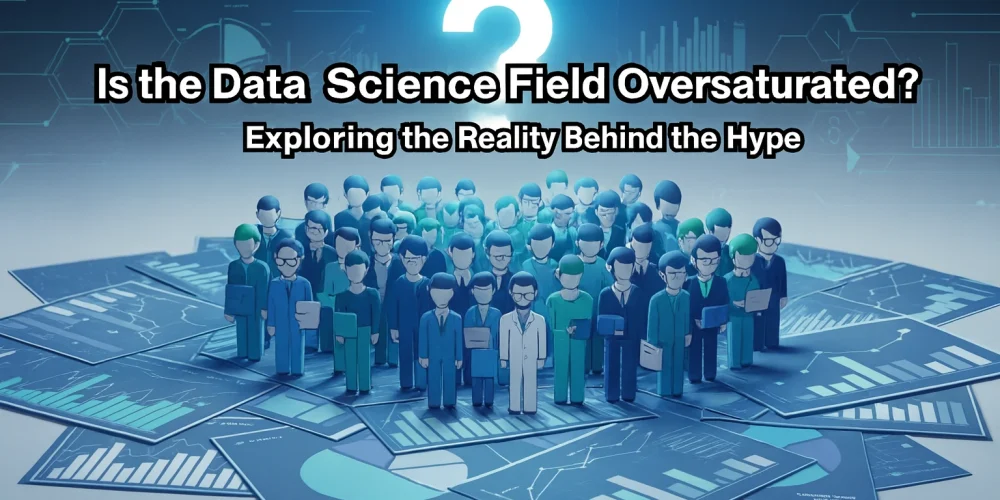
The data science field isn’t truly oversaturated, it’s misunderstood. There are too many junior candidates with similar backgrounds, but there’s still strong demand for people who mix technical skill with business thinking, clear communication, and practical problem solving. Startups and modern teams prefer versatile data folks who understand metrics, product questions, and real-world constraints, not just algorithms. The field is evolving, not shrinking, and those who adapt to its broader, more grounded expectations will continue to find meaningful opportunities.
Every few months, someone posts a gloomy thread claiming the “data science bubble has popped.” You’ve probably seen them, screenshots of job boards with thousands of applicants, frustrated grads saying no one replies to applications, or professionals insisting companies “don’t need data scientists anymore.”
And honestly, it makes people nervous. Students wonder if they picked the wrong path. Startups hesitate before hiring. Even senior analysts sometimes look around and think, “Is the industry losing its shine?”
Let me tell you something upfront, the field isn’t oversaturated, the expectations are.
But that’s only part of the story, so let’s walk through it like we’re chatting over coffee.
When Everyone Wants the Cake, But Only Some Understand the Recipe
Data science became the “cool career” about a decade ago. High pay, interesting problems, and the allure of working with companies like Google and Netflix made it feel like a golden ticket. Naturally, tons of people enrolled in bootcamps, online courses, and expensive master’s programs.
But here’s the twist, while the number of applicants skyrocketed, the number of qualified data scientists did not.
Many roles still stay open for months because companies can’t find people with the right mix of:
- Statistical reasoning
- Practical coding
- Data storytelling
- Product sense
- And, this always surprises folks, basic understanding of business problems
Sounds odd, right? Huge applicant pools but companies still can’t fill roles. It’s like having a crowd at a buffet, but most people aren’t quite sure what they’re supposed to eat.
The Real Problem, Everyone’s Called a “Data Scientist” Now
Here’s a slightly messy digression, but stay with me. Remember how “software engineer” used to be a very specific job title? Now you’ve got frontend engineers, backend engineers, platform engineers, ML engineers, SREs… job titles reflect actual work.
Data science didn’t grow that way.
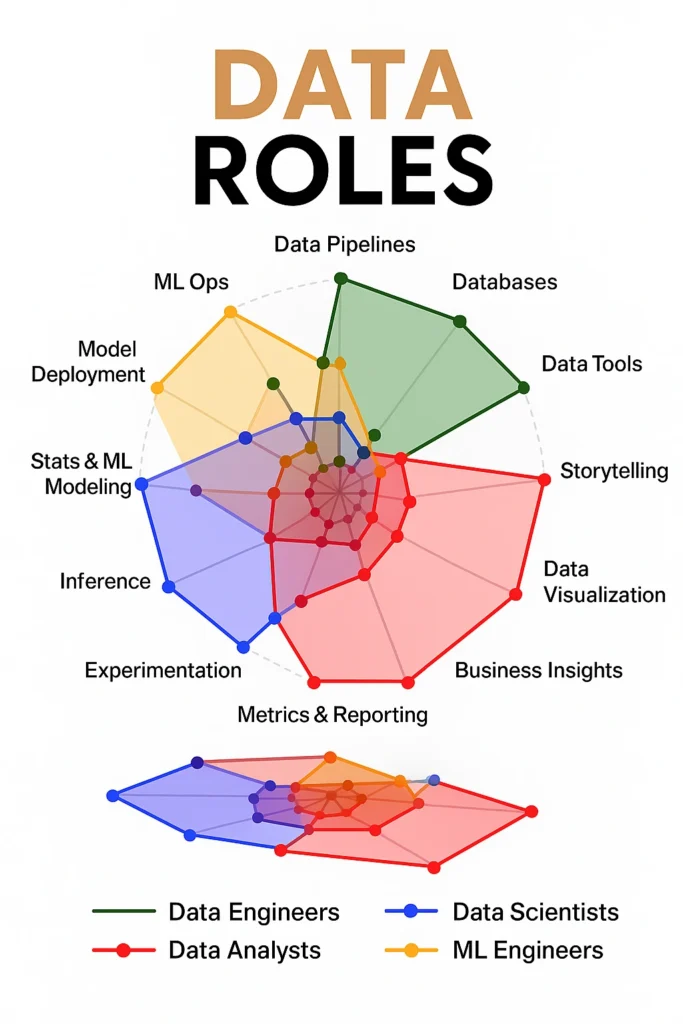
It’s now a giant umbrella shading a bunch of different jobs:
- Data analyst
- Business intelligence specialist
- Machine learning engineer
- Decision scientist
- Quantitative researcher
- AI product analyst
Different skills, different expectations, but the same job title on job boards. That confusion makes the field look saturated even when it’s not. Companies ask for everything from deep learning to dashboard building, so candidates feel like they’re competing with unicorns. No wonder everyone feels lost.
The Hiring Freeze Myth
A lot of people blame oversaturation on hiring slowdowns. And sure, the tech sector had rough seasons recently. But data roles didn’t disappear, they shifted.
Companies started asking:
- “Do we really need someone who only builds models?”
- “Can our analyst actually solve this?”
- “Should we hire someone who understands product metrics instead?”
So instead of hiring pure data scientists, companies leaned more toward hybrid roles:
Decision scientists:
Who think deeply about user behavior and experiment design.
ML engineers:
Who know how to build production systems without models falling apart.
Analytical engineers:
Who combine SQL wizardry with engineering discipline, hello to the dbt fans.
Data science didn’t shrink, it evolved. Kinda like how smartphones didn’t kill computers, they just changed how we use them.
Read More: Data Science VS Data Engineering
Startups Still Want Data People, But Not the Way You Think
If you’re working at or building a startup, you know the truth, early-stage companies rarely hire “pure data scientists.”
They want someone who can:
- Scrape data today
- Build a dashboard tomorrow
- Run an experiment next week
- Build an ML prototype when needed
It’s a gritty, scrappy, very real type of data work, less glamorous than Kaggle gold medals, but way closer to business value.
So is the field oversaturated? Not here. Startups still hunt for people who understand metrics, can clean messy data, and can tell a story that convinces the CEO something needs to change. If anything, there’s a shortage of people who enjoy the chaos.
Students Feel the Pressure, And It’s Not Their Fault
Students often feel the saturation issue more sharply. They’re competing with PhDs, career switchers with prior industry experience, and engineers who learned machine learning on the side.
You know what? That can feel overwhelming. But here’s the thing, it’s not hopeless. What employers want from entry-level candidates today is different from five years ago:
- Curiosity
- Willingness to explore product questions
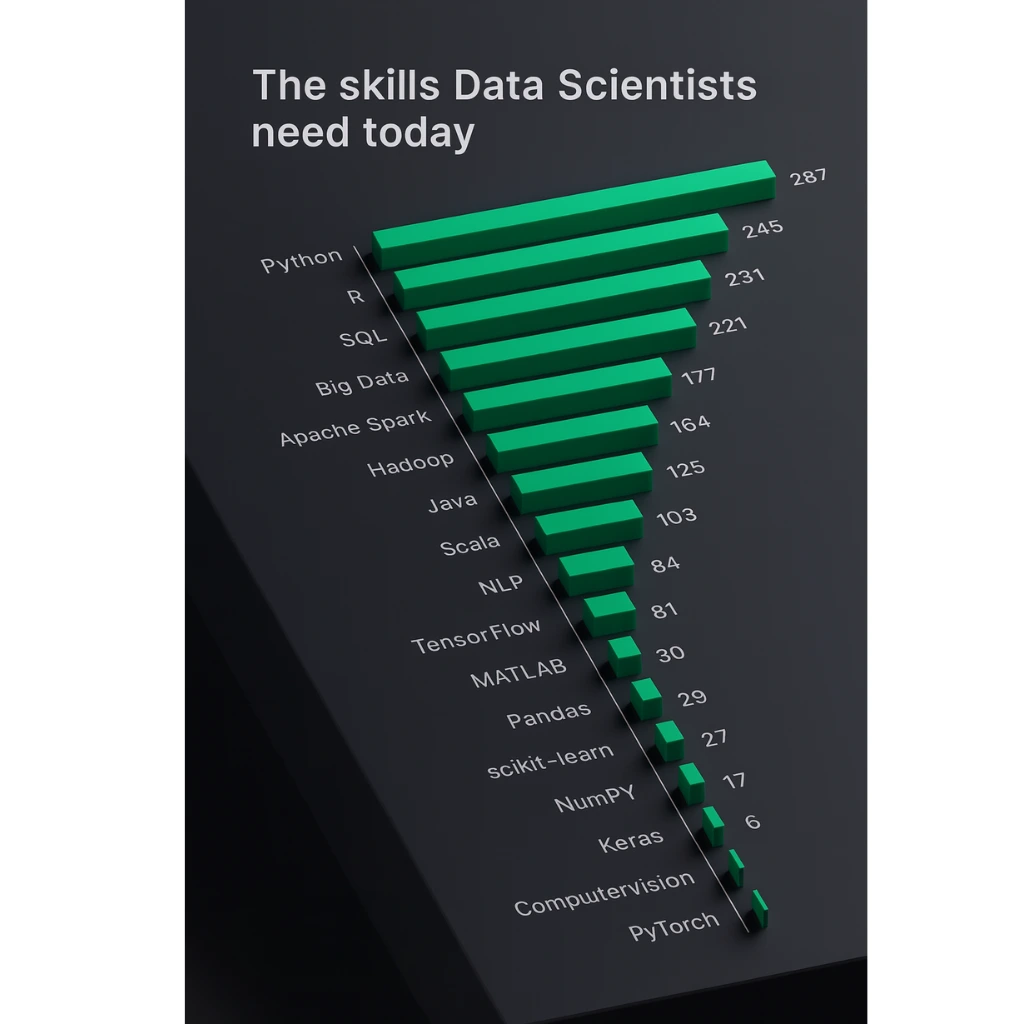
- Comfort with tools like SQL, Python, Power BI, Tableau, or even Snowflake
- Strong communication
- Practical intuition, yes, even more than theory
One hiring manager told me recently that he’d rather hire someone who can “explain A/B tests without sounding like a textbook” than someone who built ten neural networks no one asked for. That’s the energy today’s market values.
The AI Boom Didn’t Kill Data Science
Some folks think LLMs like ChatGPT made data science irrelevant. But honestly? These tools changed the field, not replaced it.
Companies now ask:
- Who can evaluate model outputs?
- Who knows how to handle messy, unpredictable data from real users?
- Who can monitor AI systems and keep them from drifting into chaos?
- Who understands how to stitch AI pipelines with real-company workflows?
Machine learning didn’t vanish. It just became part of the bigger data ecosystem, like a new chapter in a long book. And someone still needs to write the footnotes.
So… Is the Field Oversaturated or Not?
Here’s the honest summary:
Oversaturated?
- At the junior level, yes, too many applicants with too similar backgrounds.
- In positions asking for vague, unrealistic “full-stack unicorn” requirements.
Not oversaturated?
- In roles that blend business thinking with technical skills.
- For people comfortable with SQL, Python, and storytelling.
- For data folks who can talk about products, not just algorithms.
- In startups that need clarity more than fancy models.
- In companies implementing AI systems responsibly.
The field isn’t dying, it’s maturing. And like any mature field, it demands clarity, specialization, and real-world problem solving.
If You’re Planning a Career in Data Science
Whether you’re a student or someone pivoting careers, remember:
- You don’t need to know everything.
- You do need to understand the problem, not just the technique.
- Build things that solve real issues, personal projects count.
- Don’t chase every trend, pick a lane that feels meaningful.
And you know what? If you enjoy uncovering stories in numbers, making sense of messy datasets, and nudging decisions with data rather than gut feelings, there’s still a place for you. A pretty good one, actually.
Final Thought
The data science field isn’t oversaturated, it’s misunderstood. The competition is real, but so are the opportunities, especially for people who blend analytical skill with genuine curiosity and a bit of business sense.
If you bring that mix, you won’t just find a job. You’ll create a career that grows with you, no matter how technology shifts
Check out our other blogs also find our services which can help grow your business 5x times faster